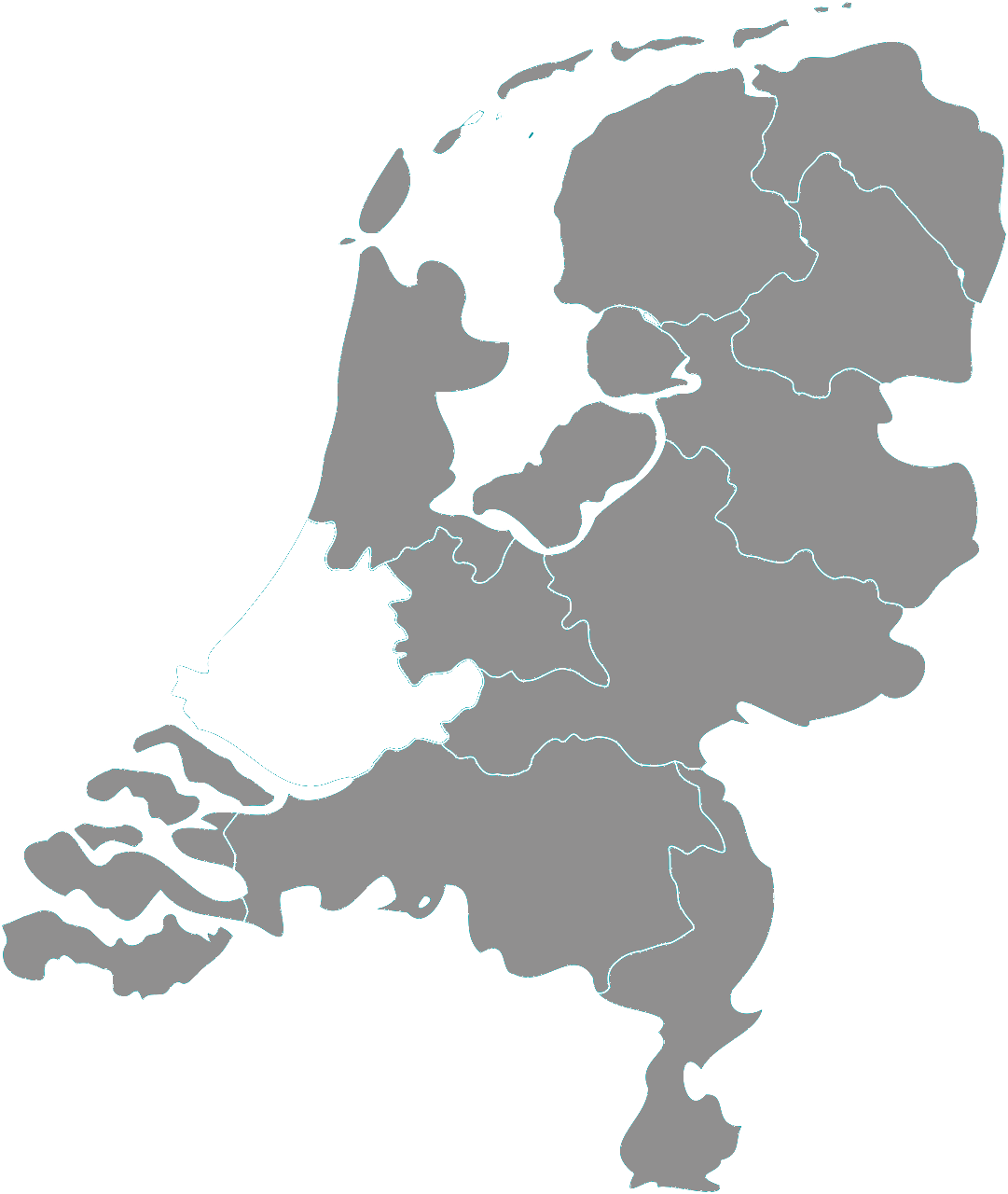
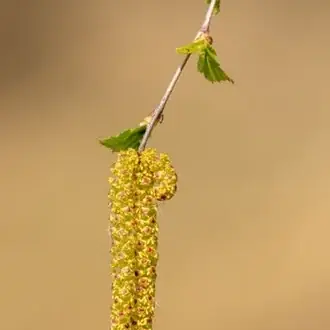

Dordrecht sits on an island, and right beside it lies the Biesbosch: one of the largest freshwater tidal areas in Europe. It was managed for centuries as osier beds — willow coppice, harvested for baskets and dyke work — and willow is still the dominant tree there. Willow pollen is spread mainly by insects and therefore causes fewer symptoms than all those flowering catkins suggest, but at such numbers some inevitably becomes airborne, in March and April.
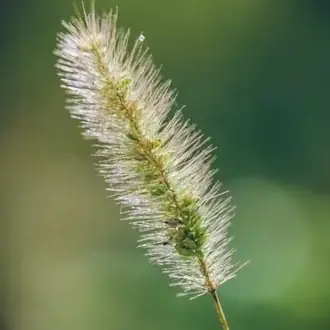
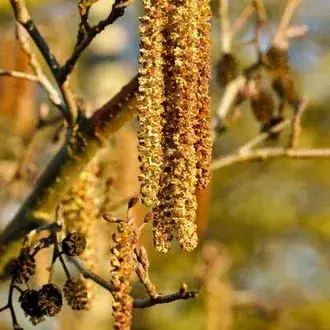
More important for most hay fever sufferers are the alder, flowering from January in the wet parts of the Biesbosch and along the creeks, and the reed and grass of the mudflats and sandbanks, which supply the summer season. The rest of the Island of Dordrecht and the Hoeksche Waard opposite are arable and pasture, so from May to mid-July grass is the decisive species here. Water on all sides helps: almost no pollen is added over open water, so when the wind comes off the Hollandsch Diep the level falls noticeably.