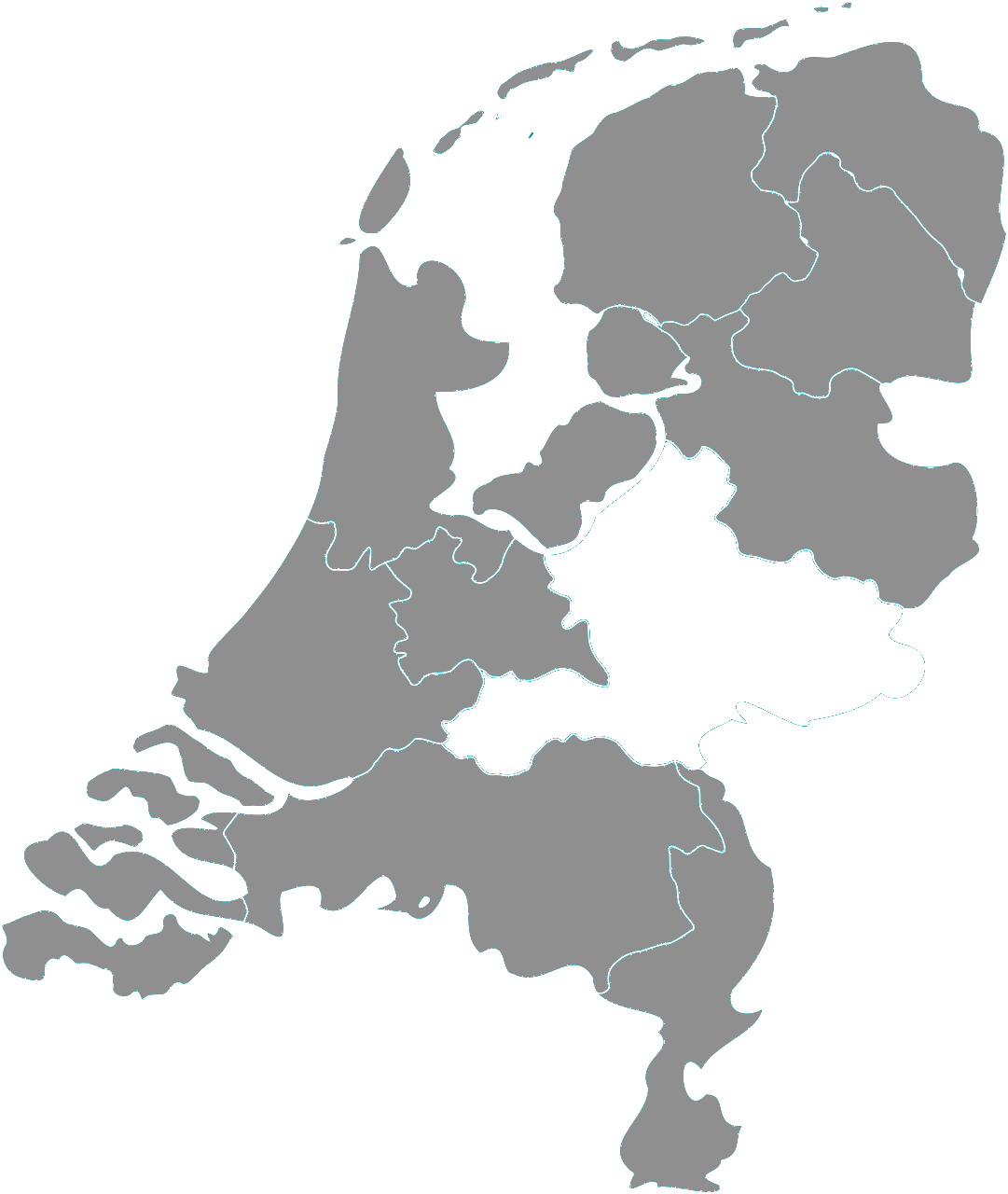
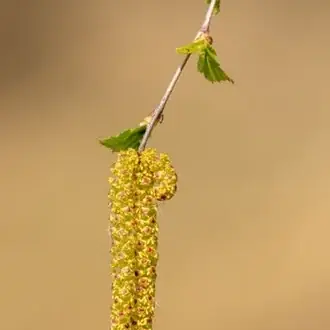

Apeldoorn lies against the Veluwe, the largest continuous forest in the Netherlands, and no other city in this list has so much tree per resident in its immediate surroundings. That forest is largely conifer — Scots pine, planted on old drift sands — with oak and birch mixed in. For hay fever sufferers that is mixed news: pine releases vast quantities of pollen in May that settles everywhere as yellow powder, yet counts as a weak allergen, while the birch standing among it causes the classic spring symptoms.
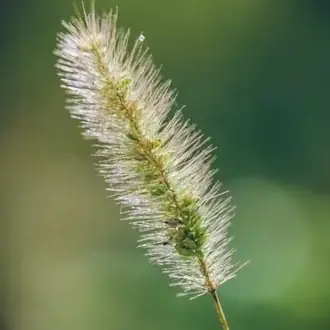
Birch does very well on poor dry sand, which means an April peak here can arrive early and hit hard. The Kroondomein, the Hoge Veluwe and the Loenermark are all within twenty kilometres. The reverse holds for grass: the Veluwe is forest and heath rather than pasture, so the grass source lies mainly east of the city, towards the IJssel valley at Twello and Voorst. Someone in Apeldoorn who reacts mostly to grass therefore often has a milder summer than someone in the river region — and someone who reacts to birch, a heavier spring.