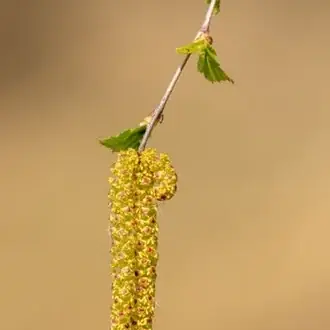
Ede has its back to the Veluwe and looks out over the Gelderse Vallei, and those are two very different pollen sources. To the east begin the Ginkelse Heide, the Edese Bos and the Hoge Veluwe: heath and conifer forest on drift sand, with oak and birch mixed in. Heather itself need worry nobody — it is insect-pollinated and puts little into the air — but the birches on that sand are another matter, peaking from late March to early May.
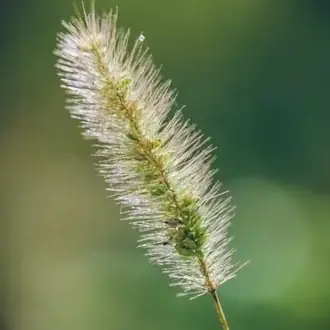
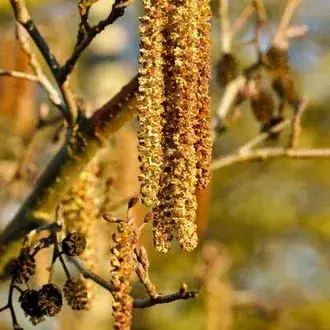
To the west lies the Gelderse Vallei: farming country with a great deal of livestock, so pasture all the way to Barneveld and Veenendaal. That makes the grass season from May to mid-July unavoidable here. In the stream valleys between the two landscapes stand alder and willow, opening the season from January. Ede is thus one of the places where the entire Dutch pollen year sits side by side in miniature: early alder in the valley, birch on the sand, grass on the vale — all within ten kilometres of the centre.