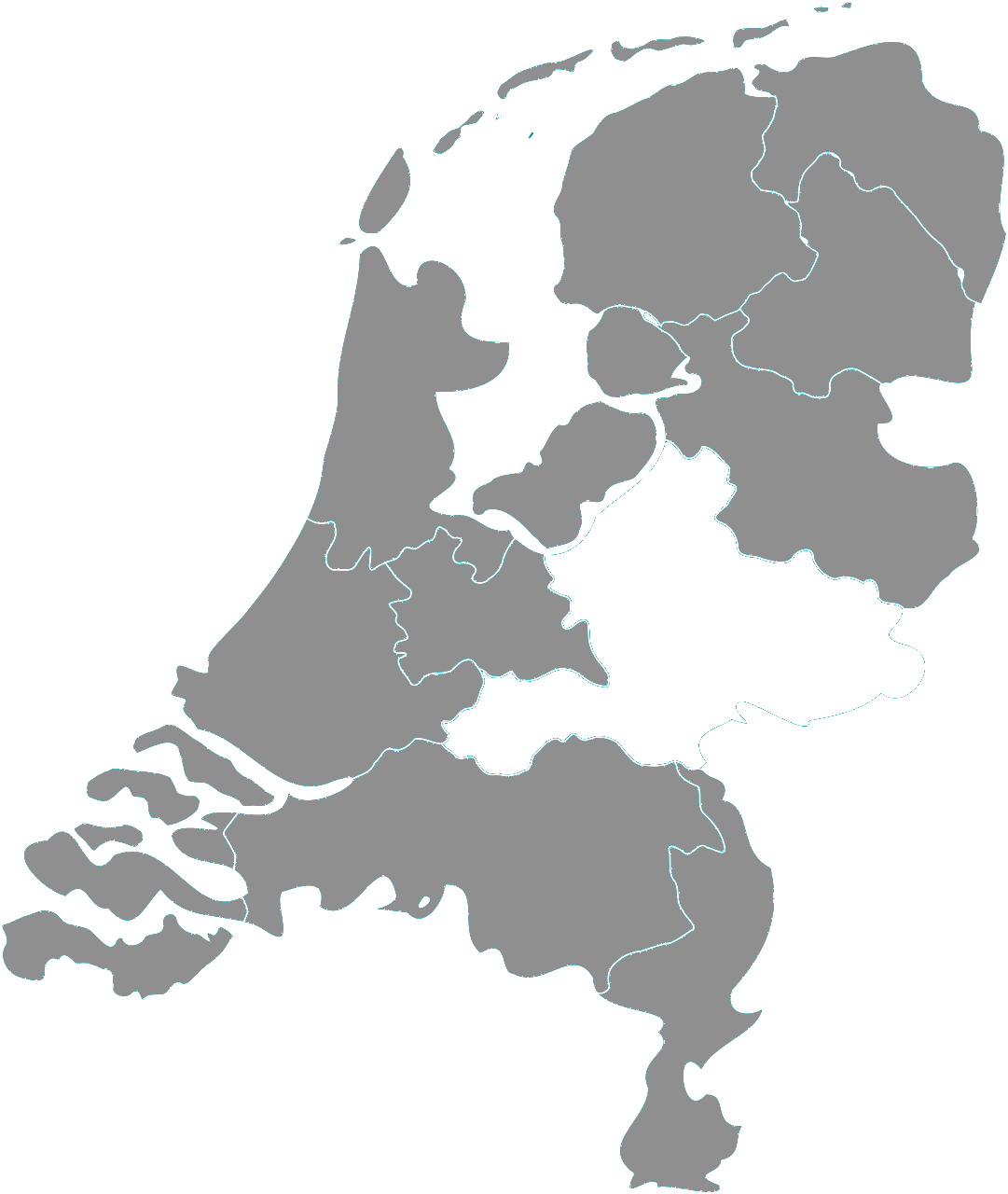
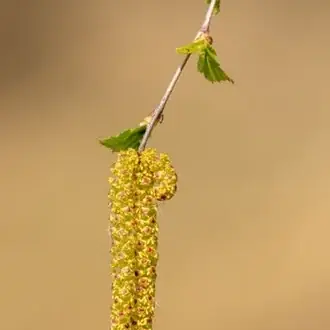

Nijmegen sits against an ice-pushed ridge of sand and gravel, carrying Heumensoord, the Nederrijkswald and the woods towards Groesbeek. This is oak-birch forest on poor sand, and birch is the species that matters here for hay fever. The source is not somewhere far away but directly on the edge of town, which means an April birch peak can hit harder here than in a city where the pollen first had to travel tens of kilometres.
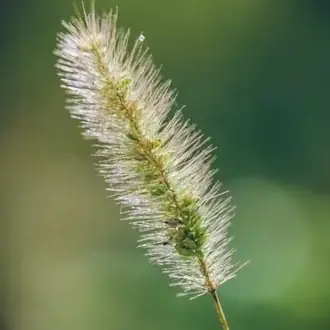
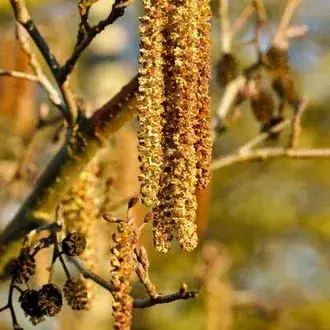
Then there is the climate. The area around Nijmegen is among the warmest in the Netherlands, with high summer temperatures in the river region and a spring that gets going earlier than in the north. An earlier spring means earlier flowering: alder and hazel can start here in January. On the other side of the city lies the Ooijpolder, with flood meadows and pasture along the Waal — the grass source from May to July. Anyone in Nijmegen who reacts to both birch and grass therefore faces a season that starts early and runs long.