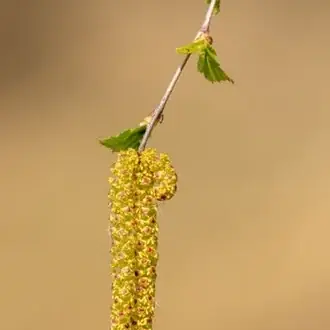
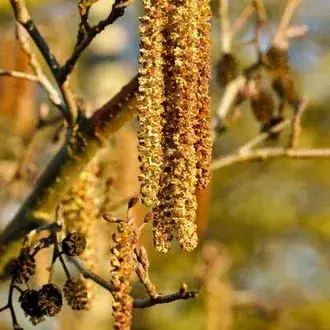
Amsterdam is a city of trees, and the pollen calendar shows it. The canals are lined with one of the largest collections of elms in Europe; elms flower in February and March, before most people start thinking about hay fever at all. Alder and birch follow shortly after, in the Vondelpark, the Rembrandtpark and above all the Amsterdamse Bos, planted in the 1930s with a great deal of poplar, ash, alder and birch. Of those, birch is by far the most important cause of symptoms, peaking from late March into early May.
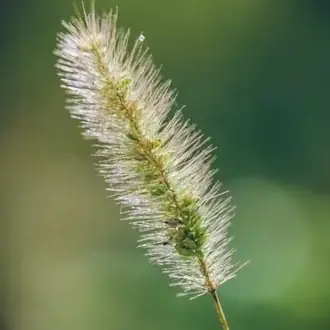
The second season is grass, and in Amsterdam that comes not from the city but from the verges, sports fields and peat meadows just outside the ring road. Two things make the city unusual. The heat island: nights inside the ring run several degrees warmer than the surrounding countryside, so trees here flower a few days earlier than they do outside it. And the sea, twenty kilometres west: a firm westerly dilutes the air above the city with clean maritime air and the pollen level drops visibly. When the wind swings east, the opposite happens and birch pollen arrives from Germany and central Europe.