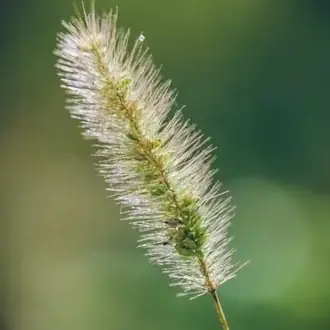
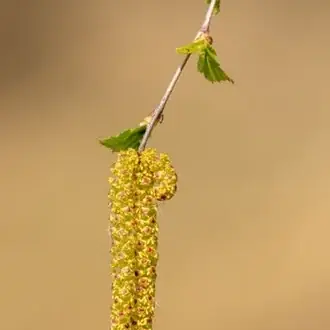
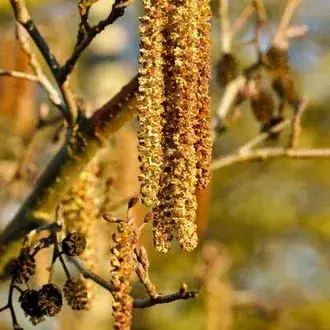
Haarlem lies between two landscapes that each supply their own pollen. To the west are the Kennemerduinen and the Zuid-Kennemerland national park: dune country with marram grass, dune reed and sea buckthorn, and plenty of alder and birch in the damp valleys of the inner dune rim. To the east stands the Haarlemmerhout, one of the oldest city woods in the Netherlands, with old beech and oak.
About the bulb fields just south of the city there is a persistent misunderstanding. Tulips, daffodils and hyacinths are insect-pollinated, not wind-pollinated: their pollen is heavy and sticky and barely becomes airborne. Anyone who develops symptoms among the bulb fields in April is almost certainly reacting to the birches standing around them, not to the flowers. The sea is five kilometres away, close enough to notice: a westerly brings in air that has crossed the North Sea and carries little pollen. When the wind turns east, the whole Randstad lies upwind and the level climbs.