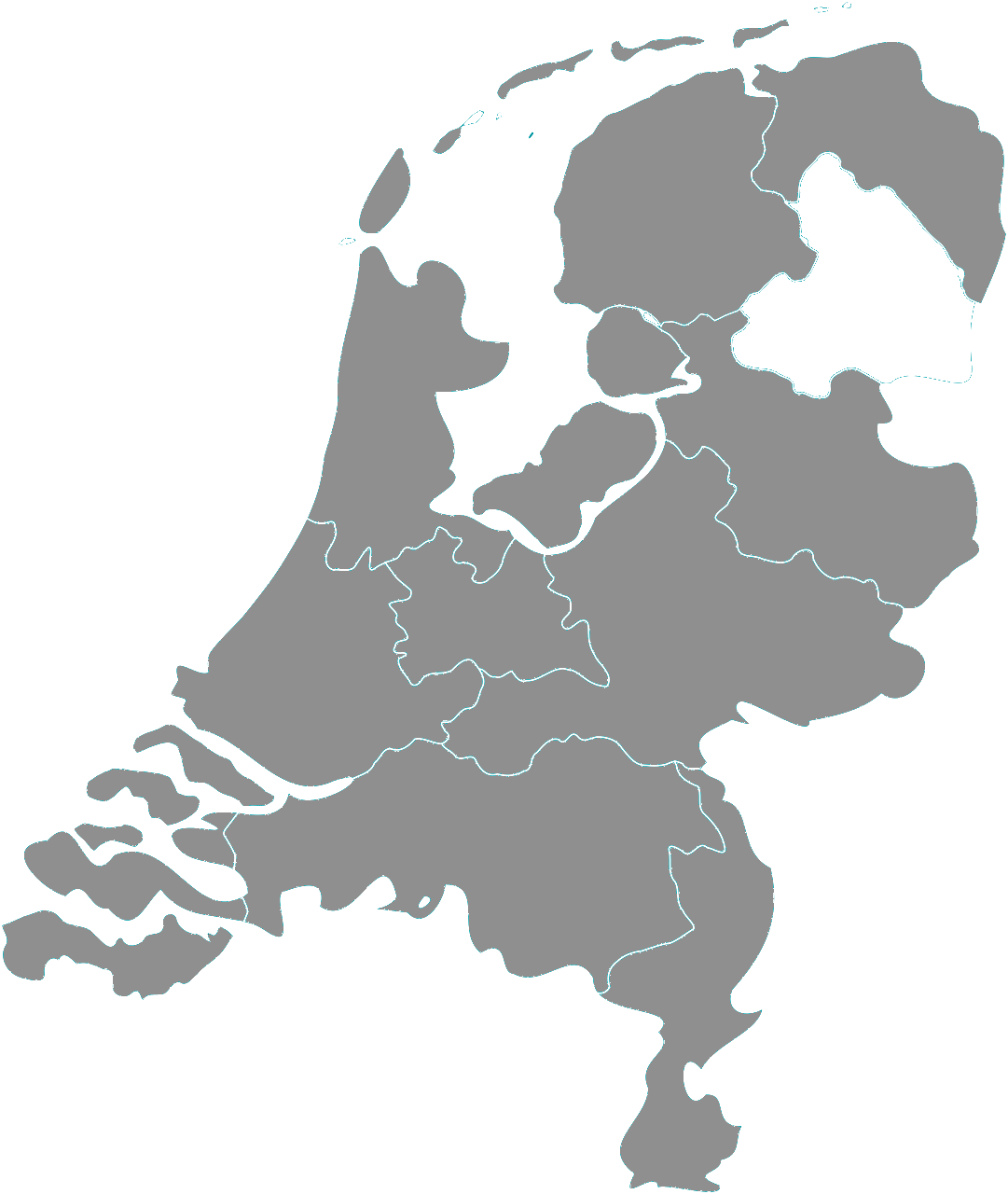

Emmen lies on the Hondsrug in south-east Drenthe, on sandy ground that was partly covered by raised bog and later cut away. That history shapes the surroundings: peat colonies with arable farming to the east, and to the west and south the woods planted to fix the drifting sand — the Emmerdennen, the Valtherbos and the Noordbargerbos. These are largely Scots pine, with oak and a good deal of birch among them.
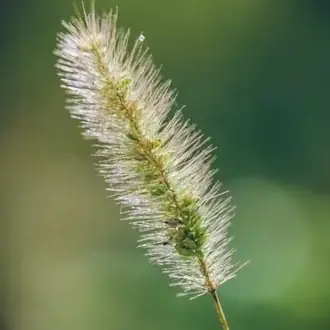
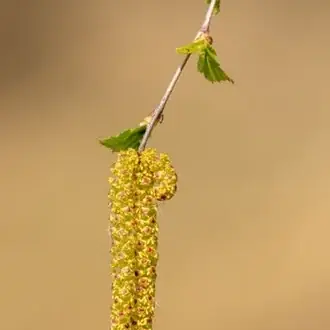
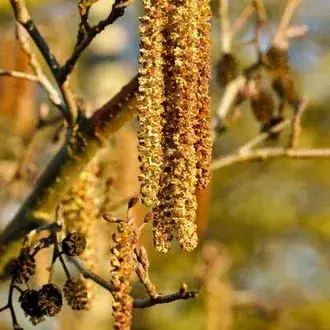
On this poor sandy ground birch is the tree that matters for hay fever, peaking from late March to early May; the pines put out visibly large amounts of yellow pollen in May but cause few symptoms. The peat and arable land around the city provide the grass source from May to mid-July, and along the canals and brooks stand alder and willow, opening the season in January. Emmen is a good hundred kilometres from the North Sea and right on the German border, so the maritime air that dilutes the coastal cities rarely reaches this corner; an easterly instead brings supply from the wooded Emsland.