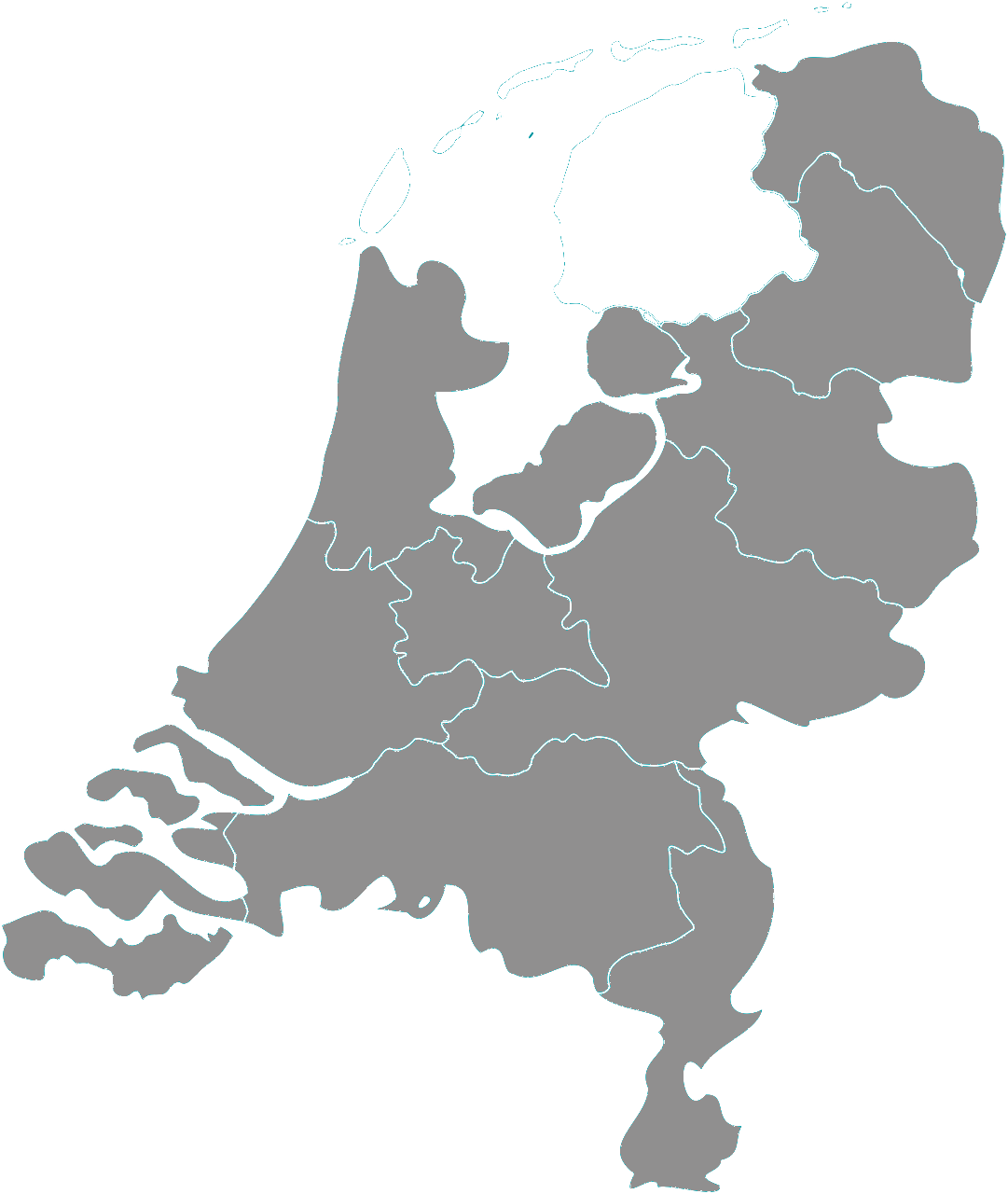
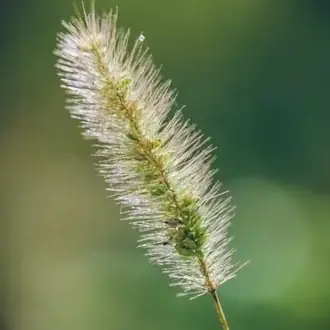
Leeuwarden lies in the middle of the Frisian clay district, and little landscape in the Netherlands is so completely defined by grass. The surroundings are dairy farming to the horizon: pasture, ditch, pasture. There is hardly any woodland, and what exists are shelter belts, estate copses and city parks such as the Rengerspark and the Prinsentuin. For hay fever sufferers that means a year with one clear centre of gravity: the grass season from May to mid-July.
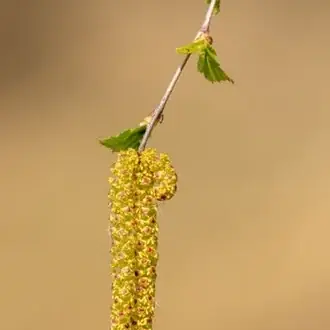
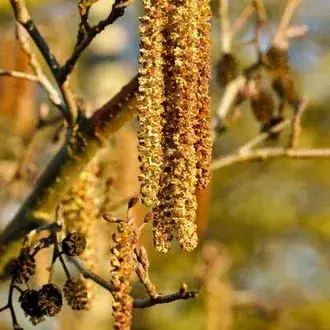
Tree pollen plays a smaller role here than elsewhere in the country, and most of what arrives is imported. Birch and alder do grow along the roads and in the villages, but not at a scale comparable to the Veluwe or Brabant; under a south-easterly most birch pollen blows in from the south of the country or from Germany. Against that stands the location: the Wadden Sea is twenty kilometres away, and a northerly or north-westerly brings in air that has crossed water and is poor in pollen. Spring also starts later in Friesland than in Limburg, shifting the birch season by one to two weeks.