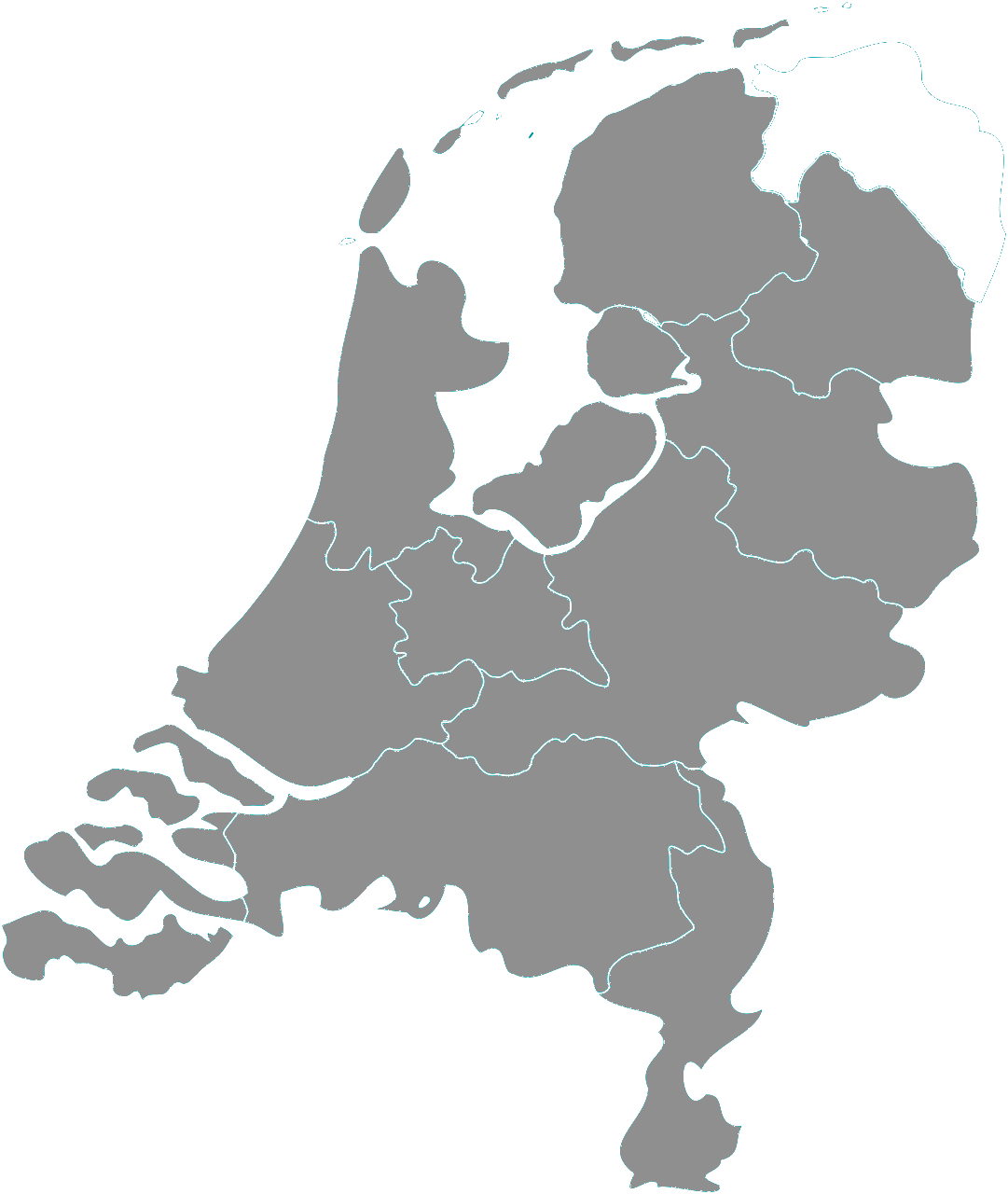
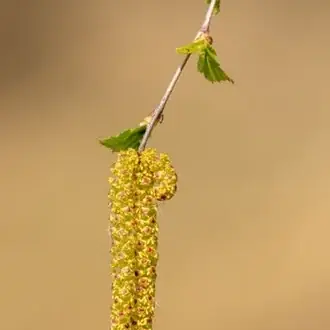
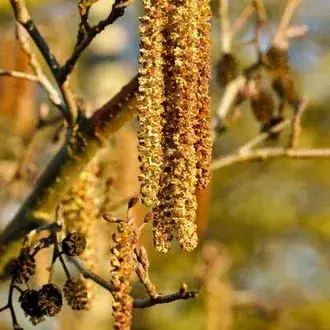
Groningen may be the least wooded of all the larger Dutch cities, and that changes the character of the season. Little forest grows on the marine clay and peat of the north; the tree pollen that arrives is largely imported — from Drenthe, from Germany, sometimes from much further. The Noorderplantsoen, the Stadspark and the avenue planting do supply alder, birch and elm, but at nothing like the scale of the Veluwe or the Kempen.
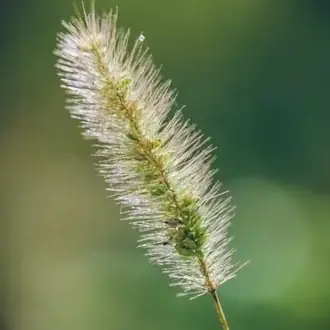
What Groningen does have is grass. The surrounding landscape is pasture and arable land to the horizon, which makes the grass season from May to July the part of the year that counts here. Against that stands the wind: the city lies close to the Wadden Sea, and a northerly to north-westerly brings in air that has crossed water, with noticeably lower concentrations as a result. The birch season also starts later in the north than in Limburg or Brabant — sometimes by one to two weeks — simply because spring arrives later.