Everything about hay fever and pollen in the Netherlands
What is hay fever?
Hay fever (allergic rhinitis) is an allergic reaction to pollen from grasses, trees, or herbaceous plants. When pollen comes into contact with the nasal mucosa or eyes of a sensitive person, the immune system overreacts. This leads to classic hay fever symptoms such as sneezing, runny nose, itchy and watery eyes, and fatigue.
In the Netherlands, approximately 15–20% of the population suffers from hay fever. It is one of the most common allergies in Western Europe.
Pollen calendar Netherlands
Pollen in the Netherlands vary by season. The earliest pollen come from alder and hazel (from January), followed by birch pollen (April–May) and the dreaded grass pollen (May–August). Late in the season, mugwort pollen occurs (July–September).
- January–March: Alder, hazel, poplar
- April–May: Birch, oak, ash, plane tree
- May–August: Grasses (peak in June)
- July–September: Mugwort, ragweed
Hay fever in the Netherlands by region
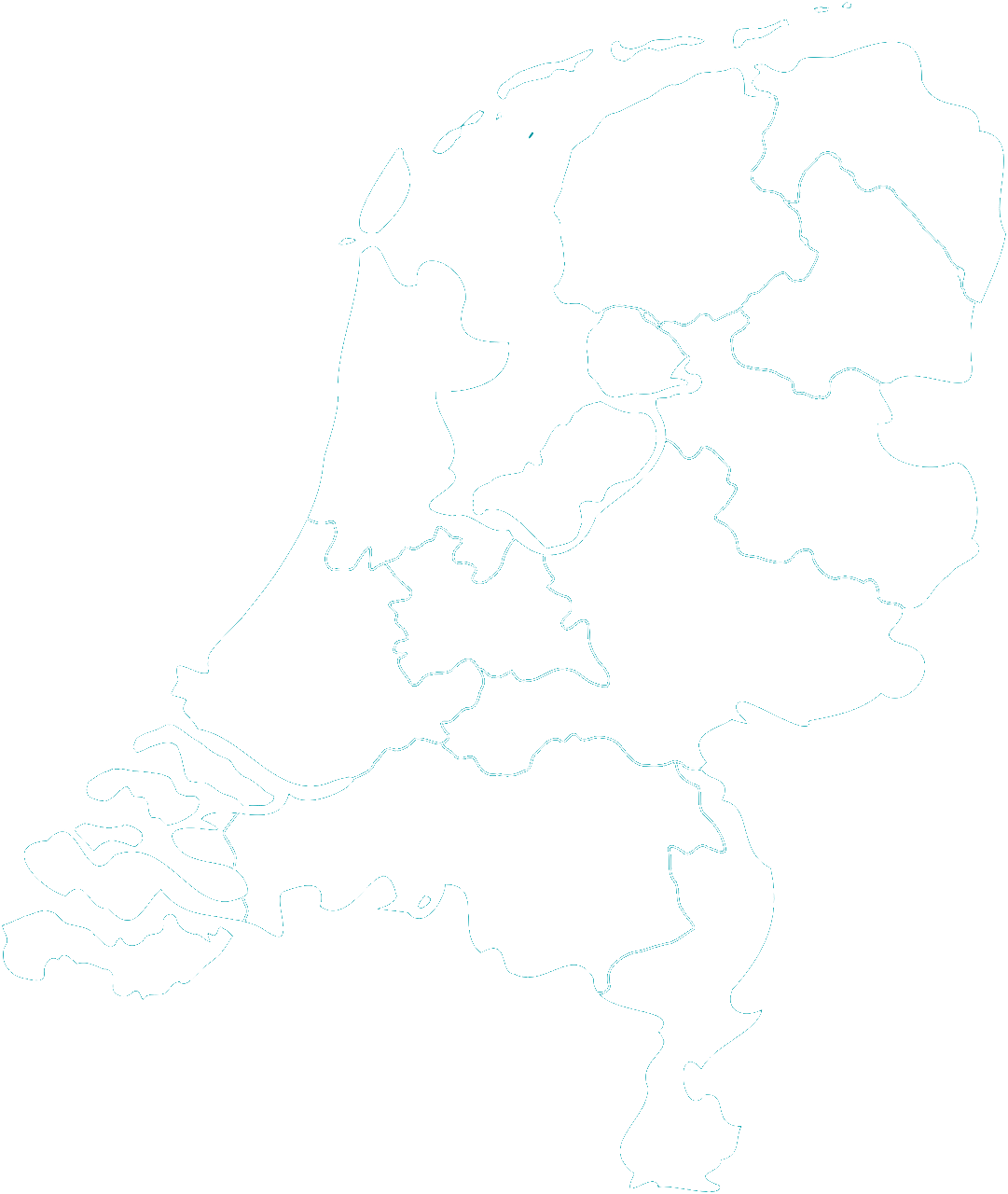
Pollen pressure varies by region. In North Brabant and Limburg, pollen pressure is generally highest, partly due to the agricultural character of the region (grain farming, rye). Coastal provinces such as North and South Holland benefit from sea winds that blow pollen away, resulting in lower concentrations. Drenthe and Gelderland have relatively many forests and nature, leading to high tree pollen concentrations in spring.
Treatment and medication
Antihistamines (such as cetirizine and loratadine) are the most used medicines for hay fever. Nasal spray with corticosteroids works preventively. For long-term relief, immunotherapy (desensitization) is also available, where your body gradually gets used to pollen. Always discuss options with a GP or allergist.